

There is nothing quite as heartbreaking in the outdoor world as pulling up to your dream campsite after a long, exhausting drive, only to be greeted by the dreaded bright red warning sign.
You spent all week planning the perfect menu. You marinated the steaks, chopped the vegetables, and packed the cooler with ice. But as you read the bold print on the ranger kiosk declaring a strict Stage 2 Fire Ban, you realize your entire culinary plan is officially a federal offense.
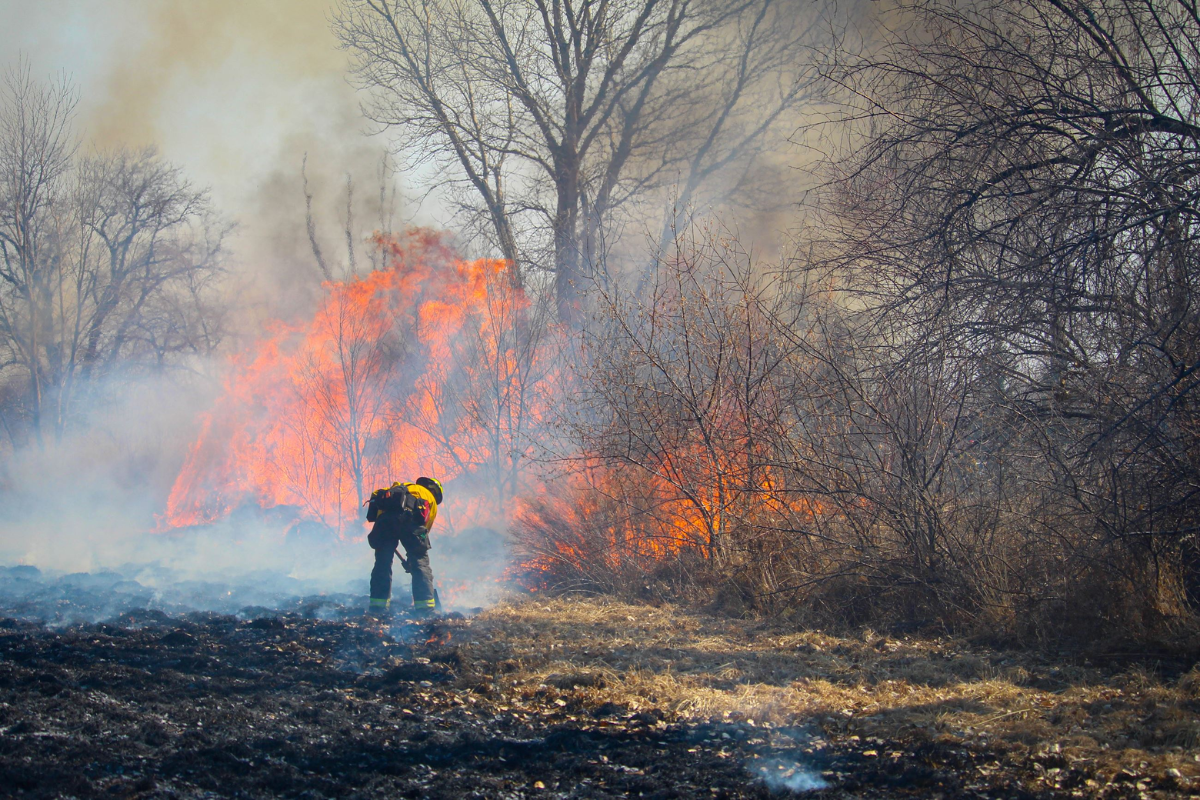
Across the American West, prolonged droughts, shifting climate patterns, and highly combustible dry brush have made these strict fire restrictions an unavoidable reality of summer camping. If you want to cook in the backcountry, you have to adapt to the law.
The Legal Reality of the Burn Ban
When the woods are tinder-dry, the government does not mess around. According to the U.S. Forest Service’s official fire restriction guidelines, the rules escalate quickly to prevent catastrophic wildfires.
Stage 1 restrictions typically prohibit open wood fires and charcoal outside of officially designated, permanent metal fire rings. If you are dispersed camping off-grid, a Stage 1 ban means your traditional campfire is completely outlawed.
Stage 2 bans, however, are where camp cooking dreams go to die. During a Stage 2 restriction, the rules tighten aggressively. Building, maintaining, attending, or using a fire, campfire, or stove fire is strictly prohibited. While some local ordinances occasionally offer small exemptions for pressurized liquid or gas stoves with immediate shut-off valves, many hyper-dry regions will blanket-ban anything that produces an open, visible flame.
Yes, that means a tired park ranger can absolutely write you a massive citation for firing up your trusty old green propane camp stove.
The reasoning is entirely justified. The risk of a sudden gust of wind blowing a stray ember from a charcoal grill, or a camper accidentally tipping over a top-heavy propane burner into dry pine needles, is simply too high for our underfunded public lands to risk.
The Ultimate Flameless Loophole
So, when the red signs go up, are you doomed to eat cold sandwiches, protein bars, and trail mix for three days straight? Not if you have adapted your gear.
The ultimate "loophole" to navigating these increasingly strict environmental regulations is transitioning to a fully enclosed, flameless electric cooking system. This is where the Nomad Cooking System transforms from a luxury convenience into an absolute campsite necessity.
Because the Nomad relies entirely on direct-contact electric heating, it produces zero open flame. It emits no flying sparks, requires no combustible, explosive fuels, and leaves behind no smoldering ash. The heat is 100% contained between the Cooking Reactor and the bottom of your nested pot.
Because of this enclosed, zero-emission design, all-electric setups are inherently exempt from the vast majority of burn bans.

Ultimate Trip Insurance
Investing in a modular electric camp stove is essentially buying an insurance policy for your entire overlanding season.
You no longer have to spend your Thursday nights frantically checking government forestry websites and local ranger Twitter accounts to see if your weekend dinner plans are considered illegal. You don't have to stress about the wind picking up and blowing your gas flame into the surrounding dry brush.
By utilizing a smart, enclosed system like the Nomad, you get to enjoy a high-performance, heat-regulated, gourmet hot meal while doing your exact part to keep our highly vulnerable national forests safe from devastating wildfires. It’s a massive win for your stomach, and an even bigger win for Smokey Bear.
共有:
Payload Panic: How to Build an Electric Kitchen Without Weighing Down Your Rig
Ditch the Propane Bomb: Upgrading to a Gasless RV Kitchen